Discover Your Ancestry: A Genealogy Research Guide

Genealogy research can be a fascinating journey, allowing you to uncover the stories of your ancestors and understand your family's history. Whether you are just starting or have been researching for years, this guide will provide you with the tools and strategies to effectively trace your lineage.
Understanding Genealogy
Genealogy is the study of family history and lineage. It involves collecting information about your ancestors, including their names, dates of birth, marriage, and death, as well as their occupations, places of residence, and any significant events in their lives. This information can help you build a family tree, which visually represents your ancestry.
Why Research Your Ancestry?
Researching your ancestry can provide several benefits:
Connection to the Past: Understanding where you come from can give you a sense of identity and belonging.
Family Stories: Discovering your family's history can reveal fascinating stories and experiences that have shaped your lineage.
Cultural Heritage: Learning about your ancestors can help you appreciate your cultural background and traditions.
Health Insights: Knowing your family medical history can provide valuable information for your health and wellness.
Getting Started with Genealogy Research
Define Your Goals
Before diving into research, it’s essential to define your goals. Ask yourself:
What do you want to learn about your ancestry?
Are you interested in a specific branch of your family tree?
Do you want to create a family tree or simply gather stories?
Gather Initial Information
Start by collecting information from family members. Talk to your parents, grandparents, and other relatives to gather names, dates, and stories. Document everything you learn, as this will serve as the foundation for your research.
Create a Family Tree
Using the information you’ve gathered, create a simple family tree. You can use online tools or software specifically designed for genealogy, or you can draw it out on paper. This visual representation will help you see connections and identify gaps in your knowledge.
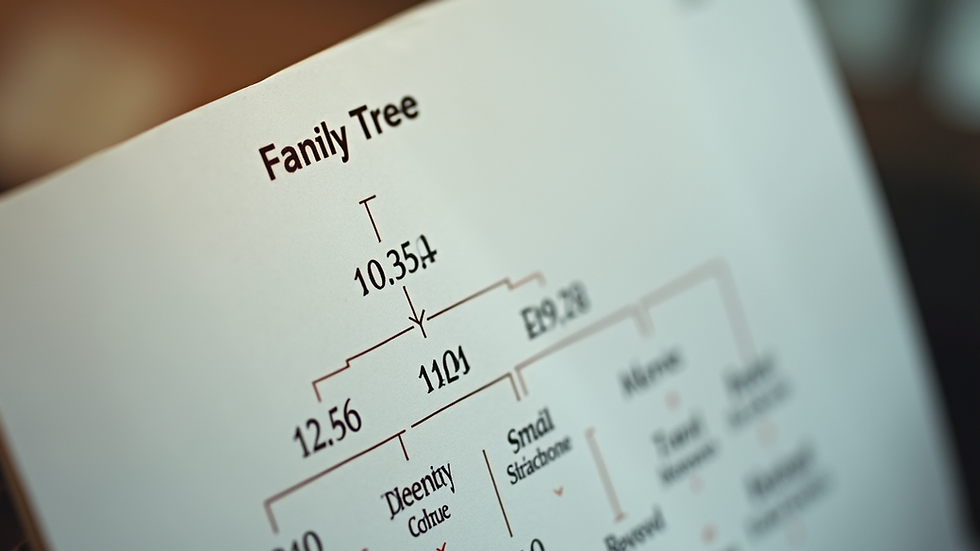
Researching Your Ancestry
Online Resources
The internet has revolutionized genealogy research, providing access to a wealth of information. Here are some popular online resources:
Ancestry.com: One of the largest genealogy databases, offering access to census records, birth and death certificates, and more.
FamilySearch.org: A free resource provided by The Church of Jesus Christ of Latter-day Saints, with a vast collection of records.
MyHeritage: Offers DNA testing and a large database of historical records.
FindAGrave.com: A resource for locating burial sites and reading obituaries.
Offline Resources
While online resources are invaluable, don’t overlook offline options. Here are some places to explore:
Local Libraries: Many libraries have genealogy sections with books, microfilm, and local history resources.
Historical Societies: These organizations often have archives and knowledgeable staff who can assist you in your research.
Courthouses: Vital records, such as marriage licenses and land deeds, can often be found at local courthouses.
Utilizing DNA Testing
DNA testing has become a popular tool for genealogy research. Companies like AncestryDNA and 23andMe offer tests that can provide insights into your ethnic background and connect you with distant relatives. Here’s how to make the most of DNA testing:
Choose the Right Test: Different tests provide different information. Decide whether you want to learn about your ancestry, health, or both.
Understand the Results: DNA results can be complex. Take the time to understand what they mean and how they relate to your family history.
Connect with Relatives: Many DNA testing services allow you to connect with relatives who have also taken the test, providing new avenues for research.
Organizing Your Research
As you gather information, it’s crucial to stay organized. Here are some tips:
Use a Research Log: Keep a log of what you’ve researched, including sources and findings. This will help you track your progress and avoid duplicating efforts.
Create Digital Files: Organize your documents and images in digital folders. Use clear naming conventions to make it easy to find what you need.
Backup Your Data: Regularly back up your research to prevent loss. Consider using cloud storage for added security.
Overcoming Common Challenges
Genealogy research can be rewarding, but it also comes with challenges. Here are some common obstacles and how to overcome them:
Incomplete Records
Sometimes, records may be missing or incomplete. In these cases, consider:
Searching Alternative Sources: Look for alternative records, such as church records, newspapers, or military records.
Collaborating with Others: Join genealogy groups or forums to connect with others who may have information about your ancestors.
Name Changes
Name changes can complicate research. To navigate this:
Research Variations: Be aware that names may have different spellings or forms. Research variations to ensure you don’t miss important records.
Look for Nicknames: Ancestors may have used nicknames or middle names. Keep an open mind when searching.
Brick Walls
If you hit a dead end, don’t get discouraged. Here’s how to break through:
Take a Break: Sometimes stepping away for a while can provide clarity.
Revisit Your Research: Review your findings and consider new angles or sources you may have overlooked.
Seek Help: Don’t hesitate to ask for assistance from experienced genealogists or local historical societies.
Preserving Your Family History
Once you’ve gathered your research, consider how to preserve it for future generations. Here are some ideas:
Create a Family History Book: Compile your research, stories, and photos into a book that can be shared with family members.
Share Online: Consider creating a family website or blog to share your findings with relatives.
Organize Family Reunions: Use your research to organize family reunions, allowing relatives to connect and share stories.
Conclusion
Genealogy research is a rewarding endeavor that can deepen your understanding of your family history and heritage. By utilizing both online and offline resources, staying organized, and overcoming challenges, you can uncover the stories of your ancestors. Remember to preserve your findings for future generations, ensuring that your family's legacy lives on. Start your journey today, and who knows what fascinating discoveries await you!


Comments