Preserving Family History: Tips for Sharing Photos

Family photos are more than just images; they are windows into our past, capturing moments that tell the story of who we are. In an age where digital technology dominates, preserving and sharing these memories can feel overwhelming. However, with the right approach, you can ensure that your family history remains alive for generations to come. This blog post will provide practical tips on how to share and preserve your family photos effectively.
Understanding the Importance of Family Photos
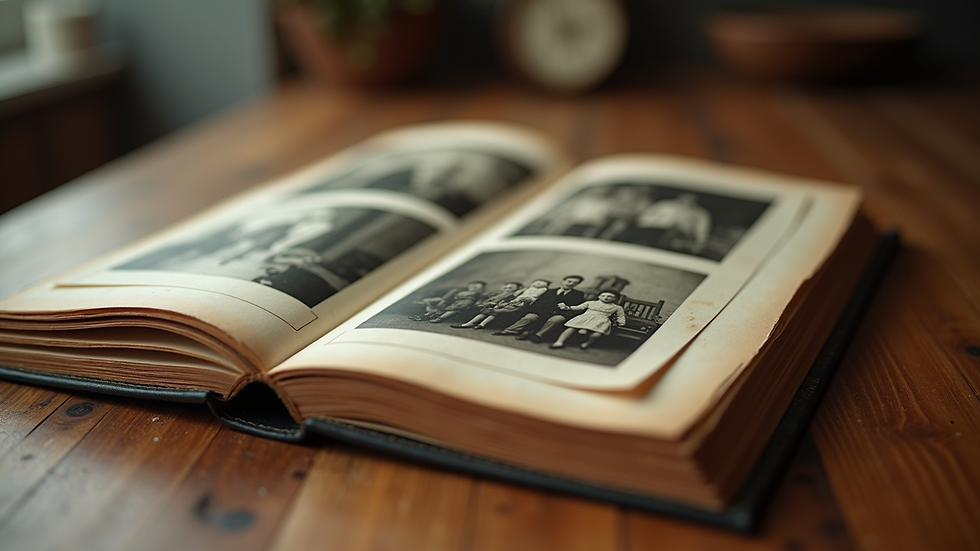
Family photos serve as a visual narrative of our lives. They connect us to our roots and provide a sense of belonging. Here are some reasons why preserving family photos is essential:
Historical Significance: Family photos document significant events, milestones, and everyday life, creating a historical record for future generations.
Emotional Connection: They evoke memories and emotions, allowing us to relive moments that shaped our family dynamics.
Cultural Heritage: Photos can reflect cultural traditions and practices, helping to maintain a sense of identity.
Organizing Your Family Photos
Before sharing your family photos, it’s crucial to organize them. A well-organized collection makes it easier to share and preserve these memories. Here are some steps to get started:
Sort and Categorize
Gather All Photos: Collect all physical and digital photos in one place.
Sort by Category: Organize photos into categories such as events (weddings, birthdays), people (immediate family, extended family), or time periods (decades).
Create a Digital Archive: For physical photos, consider scanning them to create a digital archive. This not only preserves the images but also makes sharing easier.
Label and Document
Add Descriptions: Write down the names of people, dates, and locations on the back of physical photos or in the metadata of digital files.
Create a Family Tree: Consider creating a family tree that includes the people in your photos. This adds context and helps future generations understand their heritage.
Choosing the Right Format for Sharing
Once your photos are organized, it’s time to think about how to share them. Different formats can cater to various audiences and preferences.
Digital Sharing
Social Media: Platforms like Facebook and Instagram are great for sharing photos with family and friends. Create private groups to share memories with loved ones.
Cloud Storage: Use services like Google Drive or Dropbox to store and share large collections of photos. This allows family members to access and download images easily.
Online Albums: Websites like Flickr or Shutterfly allow you to create online albums that can be shared with family members.
Physical Sharing
Printed Albums: Create printed photo books using services like Mixbook or Snapfish. These can be cherished keepsakes that family members can hold onto.
Family Gatherings: Organize family reunions or gatherings where you can share printed photos and reminisce together.
Preserving Family Photos for the Future
Preserving family photos is just as important as sharing them. Here are some tips to ensure your memories last:
Proper Storage Techniques
Physical Photos: Store physical photos in acid-free albums or boxes to prevent deterioration. Avoid exposure to direct sunlight and humidity.
Digital Photos: Regularly back up your digital photos on external hard drives or cloud storage. Consider using multiple backup methods to ensure safety.
Restoration and Conservation
Professional Restoration: If you have damaged photos, consider hiring a professional to restore them. This can bring back the original quality and preserve the image for future generations.
Conservation Techniques: Learn about conservation techniques for both physical and digital photos. This includes understanding the best practices for handling and storing images.
Engaging the Next Generation
To keep family history alive, it’s essential to engage younger generations. Here are some strategies to involve them in the process:
Storytelling
Share Stories: Encourage family members to share stories related to the photos. This adds depth and context, making the memories more meaningful.
Create a Family Blog: Consider starting a family blog where members can contribute stories, photos, and updates about their lives.
Interactive Projects
Photo Challenges: Organize photo challenges where family members can share their own photos based on themes or prompts.
Memory Books: Create collaborative memory books where each family member can contribute their favorite photos and stories.
Conclusion
Preserving and sharing family photos is a rewarding endeavor that strengthens family bonds and keeps history alive. By organizing your photos, choosing the right sharing formats, and engaging younger generations, you can ensure that your family history is cherished for years to come. Start today by gathering your photos and sharing them with your loved ones. Remember, every picture tells a story, and those stories are worth preserving.


Comments